

How to Do Hot Yoga at Home: Setting Up a Bikram Yoga Hot Room
/
How to Do Hot Yoga at Home
Have you ever considered creating a hot yoga room at home so you can practice Bikram yoga whenever it fits your schedule? If you've been wondering how to do hot yoga at home, creating a dedicated heated practice space can help you enjoy many of the same benefits you experience in a studio.
If you've been practicing Bikram's beginning series for a while, this could be a great step to deepen your practice. Setting up your at home "Torture Chamber" does take a little planning, but it's well worth it.
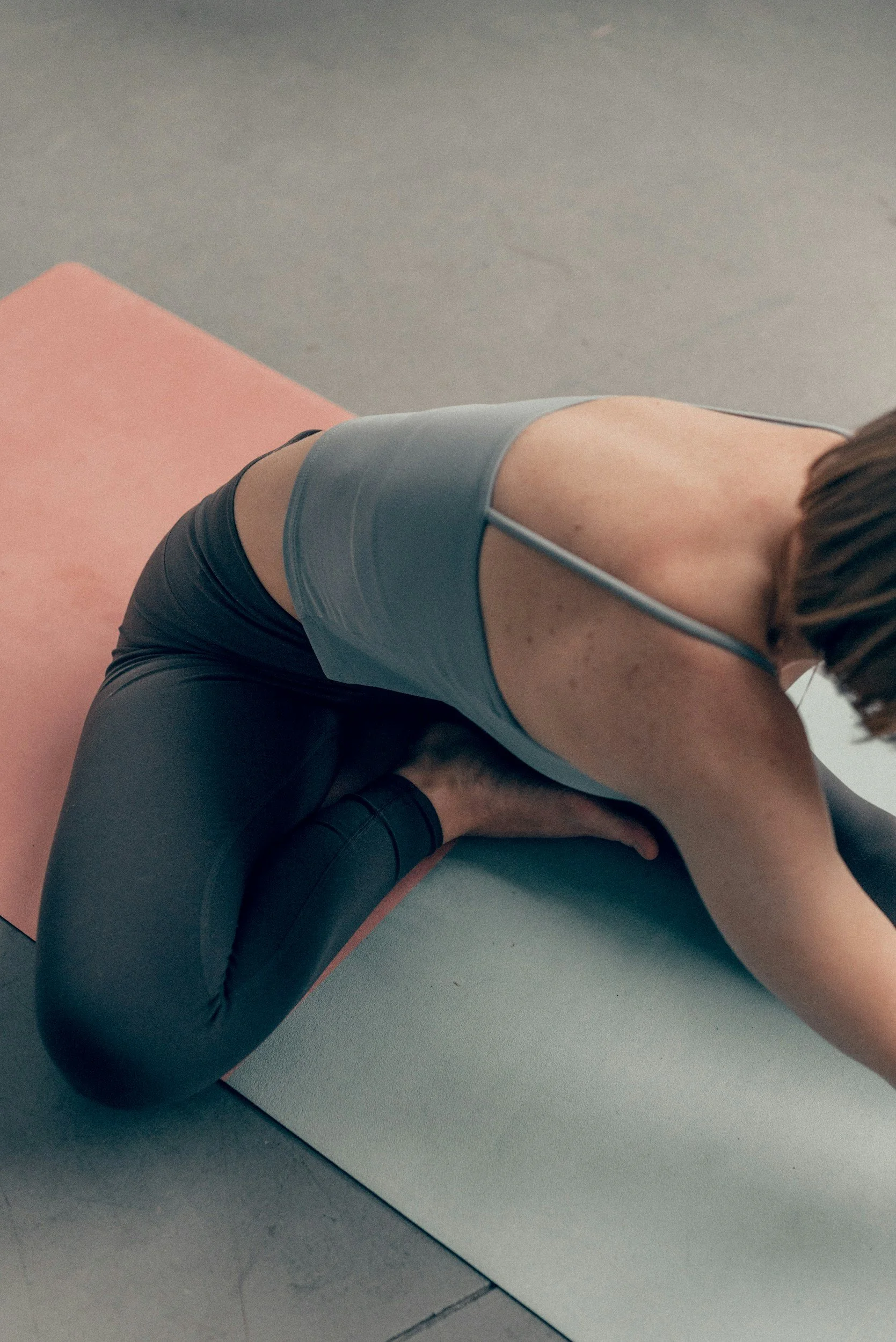
So, where do you start? A successful hot yoga at home setup begins with choosing the right space, heating method, and safety precautions. If you're researching how to do hot yoga at home, here's a list of what you'll need to create a safe and effective hot room for your practice, everything to get your hot yoga room ready.
Adequate space (large enough for your mat plus a little extra space around the edges; make sure you can extend your arms at full reach in all directions).
A heat source (space heaters seem to be the trend), plus a thermometer to measure the temperature and keep it regulated.
A humidity source (optional - some people go without this at home; also keep in mind that certain heaters offer better humidity than others).
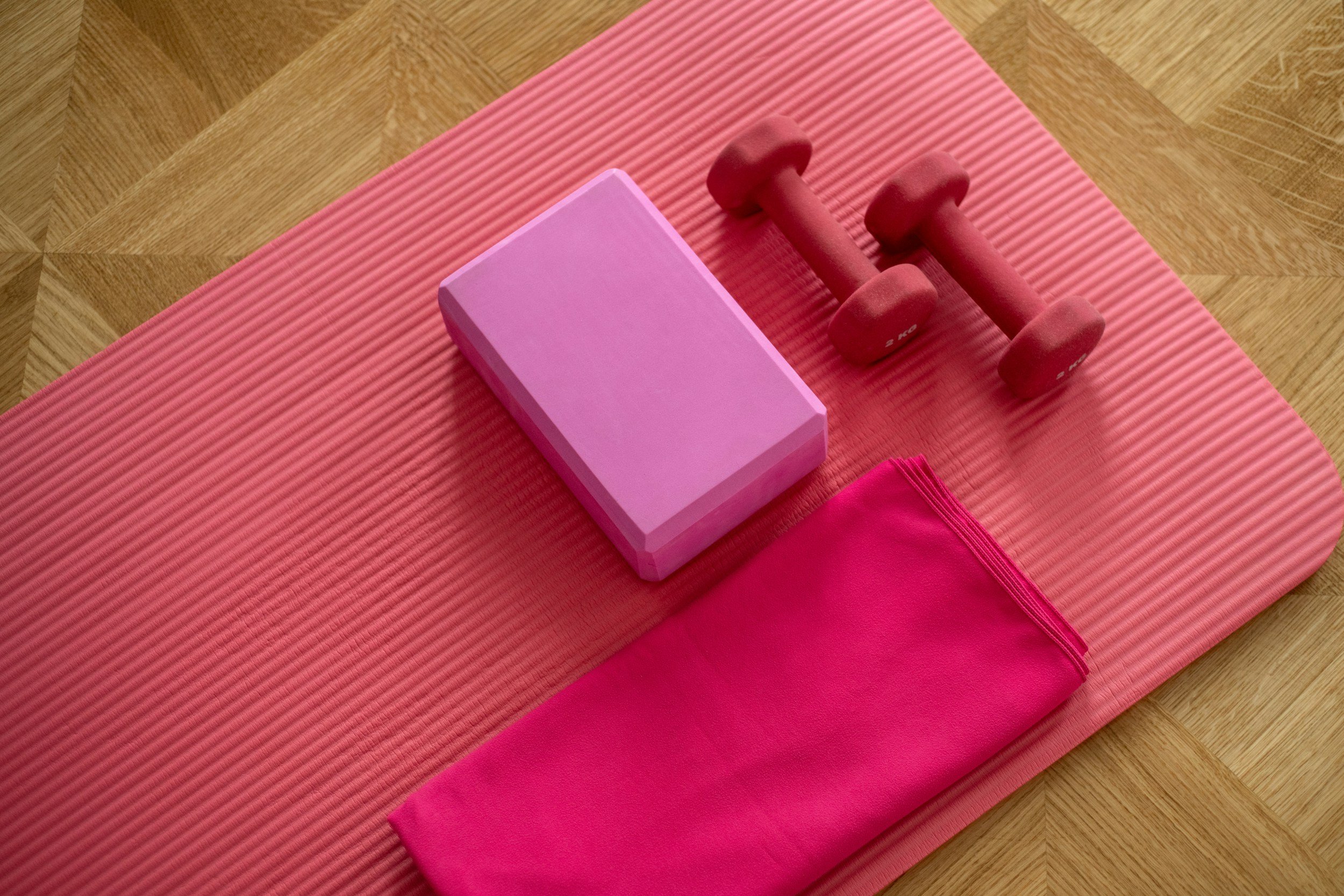
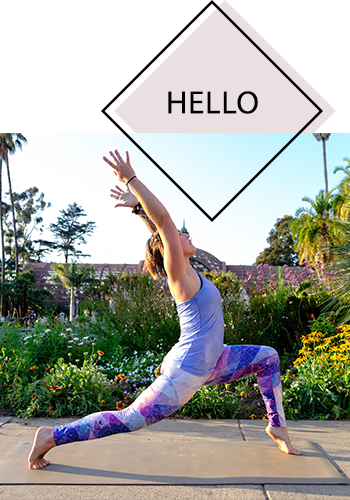
Yoga mat and towel, plus some yoga wear you're willing to sweat in. I recommend K. Deer bumbum bottoms, Onzie, and Iluka Activewear.
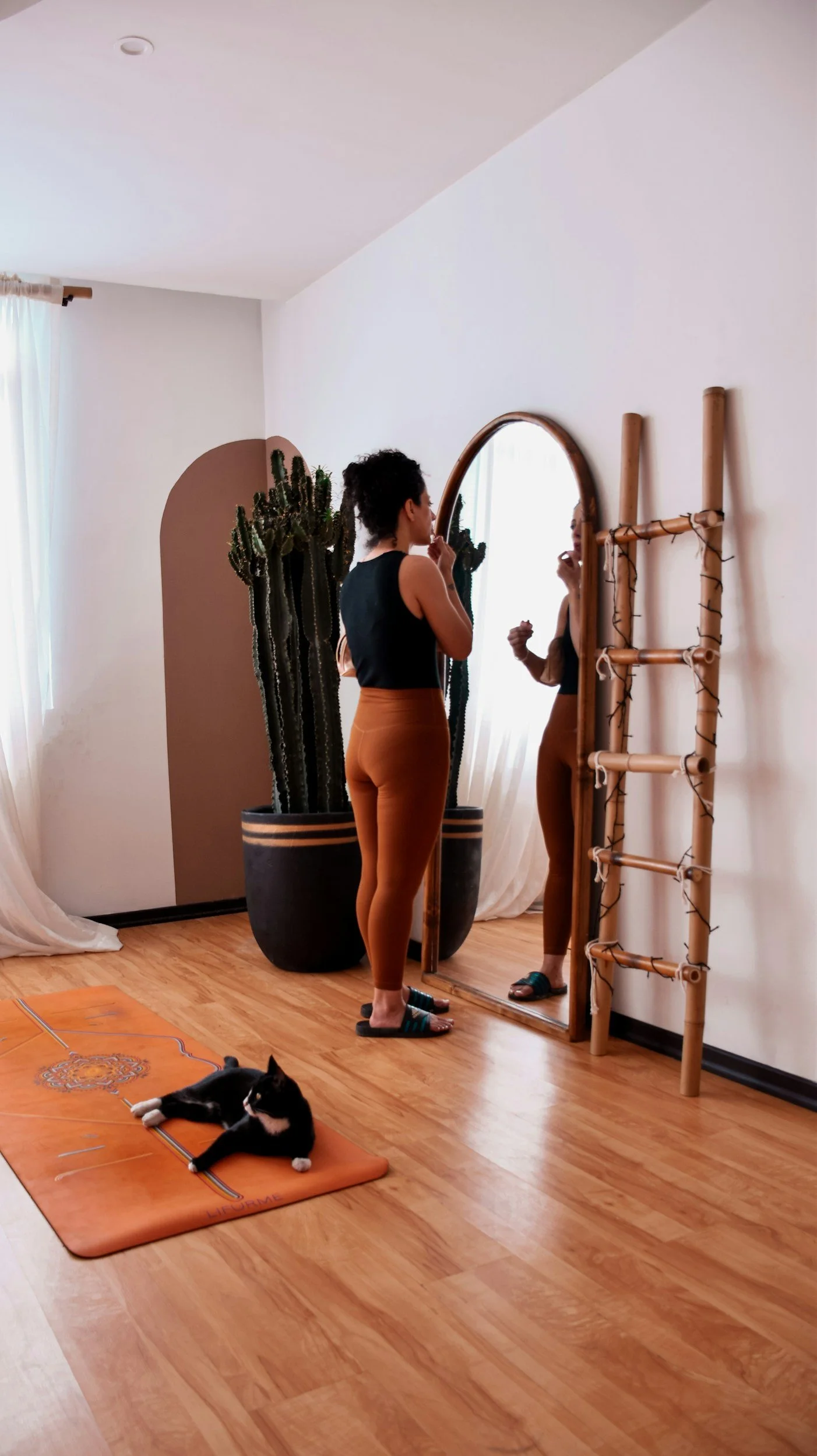
A mirror (preferably full-length) so you can monitor your alignment in each posture.
Studio experience with the postures for a basic understanding of Bikram yoga. Warning: if you don't know the series, don't practice it at home! At least until you've had some practice in a studio under the guidance of a certified teacher.
I also highly recommend you check out the book Bikram's Beginning Yoga Class to increase your knowledge of each posture.
Whether you're converting a spare bedroom or a large bathroom, a home hot yoga studio doesn't have to be complicated or expensive to set up.
Space Heaters for Hot Yoga at Home
One of the biggest questions people have when learning how to make a hot yoga room is choosing a heat source that can safely warm the space to an appropriate temperature. A simple space heater in a small room is a great way to set up your at-home Bikram yoga space.
You could try a 1,500-watt electric fan heater or infrared ceramic panels, or any number of home yoga heating solutions.
Additional tips for a safe and rewarding at-home Bikram practice
If you're learning how to do hot yoga at home, these recommendations can help you stay comfortable, hydrated, and safe while practicing in the heat.
If you have a large bathroom, you might consider setting up in there. If you're looking for hot yoga room ideas, a large bathroom can be a practical option because it's easier to increase humidity and retain heat. I've read that many people turn on their shower or fill a bathtub to increase humidity. This sounds like it might work well, but keep in mind it's not the most eco-friendly approach!
Insulate: consider adding carpeting to hardwood or tile floors to add heat. If you're building a DIY hot yoga room, proper insulation can make a huge difference in maintaining consistent heat. You might also want to look into plastic treatment over windows so that warm air is held in and cold drafts can't enter the room. A door snake can also help keep the room contained— learn how to make a door snake.
Fans can help circulate air inside the room, so heat isn't concentrated in one spot.
Hydrate! As when you practice in a studio, be sure to drink lots of water before your Bikram class. Drink 16-32 ounces at least 2 hours prior to practicing, and double that after you shower.
Remember to be safe. Keep water in the room in case you feel overheated. Especially if you're fairly new to Bikram, include emergency props in your home space as well: a cushion or chair to elevate your legs after laying down, and a washcloth so you can wipe down your mat and keep it from being a slipping hazard. Sit down if you feel lightheaded, dizzy or faint -- you are your own teacher at home, so don't risk injury.
A few final things to keep in mind... as an intermediate to advanced Bikram practitioner, starting a Bikram yoga at home practice can help you improve your yoga while developing greater self-awareness and focus. You'll learn the valuable skill of self-correction by monitoring your own practice closely in private. This also means each posture will be better for you because it's more precise.
When you practice hot yoga at home, you'll often experience deeper focus than in a crowded class because there are fewer distractions competing for your attention. At home on your own, there are no distractions to keep you from your yoga, so your monkey mind will quiet down.
That's perhaps the greatest benefit of experiencing Bikram yoga in a quiet, peaceful place: the meditation that follows.
More Reading About Doing Hot Yoga at Home
Other posts on Alive in the Fire that you might enjoy:



My next adventure in the Project Cozy Series. A pumpkin drink from Urban Sailor Coffee, plus a beautiful walk around Sugarhouse Park!