

5 Things I Wish I'd Known Sooner as a New Yoga Teacher
/
5 Tips for New Yoga Teachers (To Feel More Confident)
Being a new yoga teacher is exciting… but also scary! Your brain is swimming with so many ideas from yoga teacher training, and you’re working on integrating everything you learned during those 200 hours.
When I first started teaching yoga, I remember thinking:
What should I do if I blank out on a cue in the middle of class?
What if someone asks me a question that I don’t know the answer to?
What if no one shows up?
What if my students are bored?
Is my sequence good enough? Did I plan too much or not enough?
A lot of the time, my biggest challenge was navigating the anticipatory anxiety before class. I often found that once I got in there and just started teaching, things would fall into place and I’d manage to get through it.
But that hour before teaching? I felt tense and anxious!
If you’re a new yoga teacher struggling with nerves, I so get it. Here are some things I wish I’d heard sooner in my early teaching days.
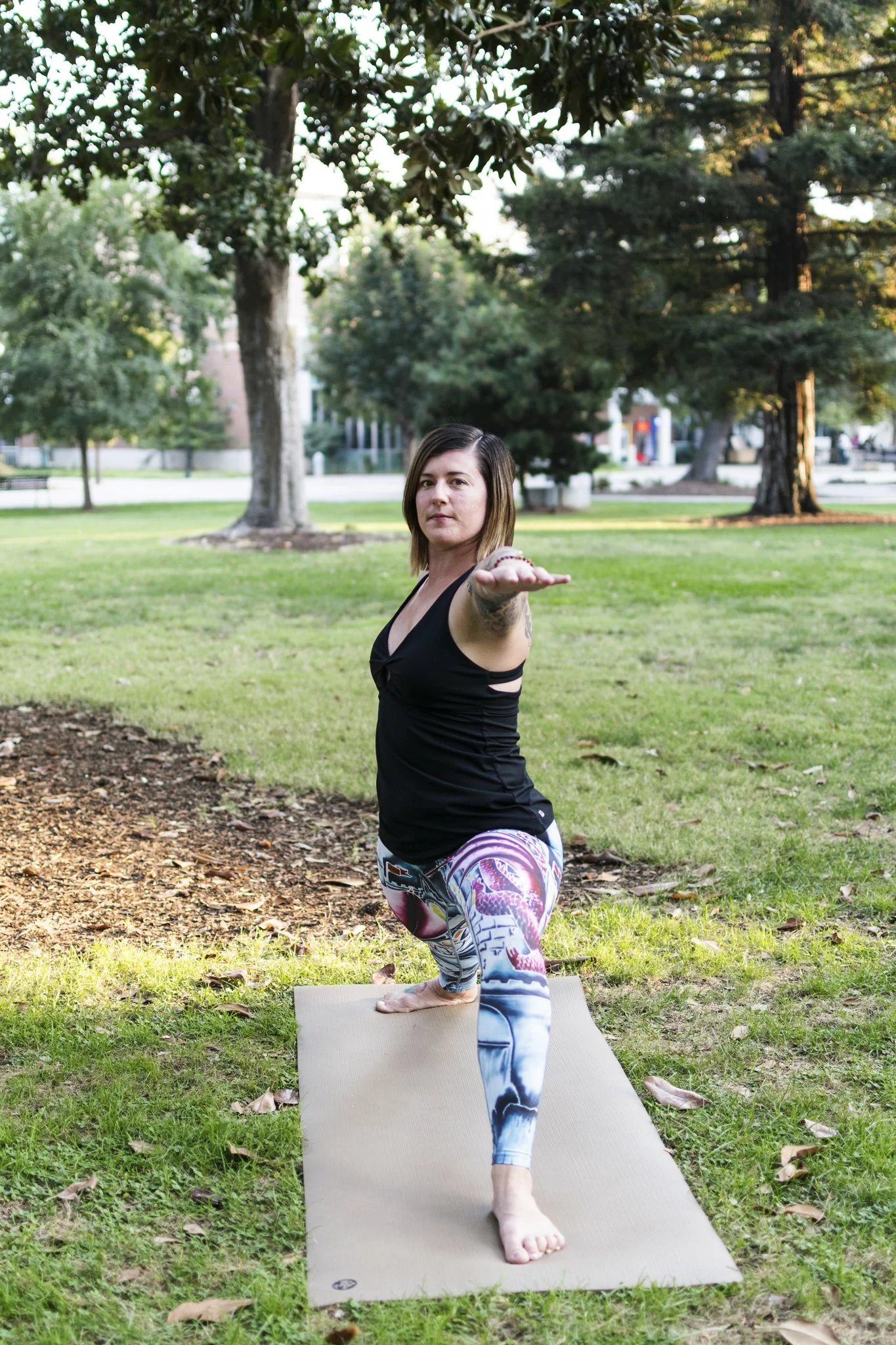
1. Learn to work with your inner critic rather than banishing her (this actually helps heal imposter syndrome faster than if you were to try to “shut up” that voice in your head!)
It’s totally normal to doubt yourself when you first start teaching.
But this doesn’t mean you’re a “bad” yoga teacher. You’re just new! You will be building your confidence over the years to come.
And instead of rejecting your inner critic voice (that loud, harsh, nagging voice), what if you took some time to get to know this part of yourself? The inner critic is a protective part. She’s trying to help you survive.
Sit down with her—go for a walk or have coffee. Ask her what she’s so upset about. Ask her what she’s scared of and what she needs from you. You might be surprised by what she has to share!
And remember, you’re not alone in feeling like a fraud or wondering when things will get easier. If you've ever stood at the front of a room thinking "who am I to be teaching yoga?" — you’re not the first! Imposter syndrome hits almost every new yoga teacher, and it doesn't mean you're not ready to teach. It just means you really care.
The truth is, you don't have to have 10 years of teaching experience or a perfect practice to lead a meaningful class. Your students aren't looking for perfection…in fact, they don’t notice your mistakes nearly as much as you do. Students are simply looking for guidance and presence. Start building confidence as a yoga teacher by focusing on what you do know, teaching the poses you feel solid in, and giving yourself permission to grow into your teaching voice over time. The more classes you teach, the more your authentic style will naturally emerge.
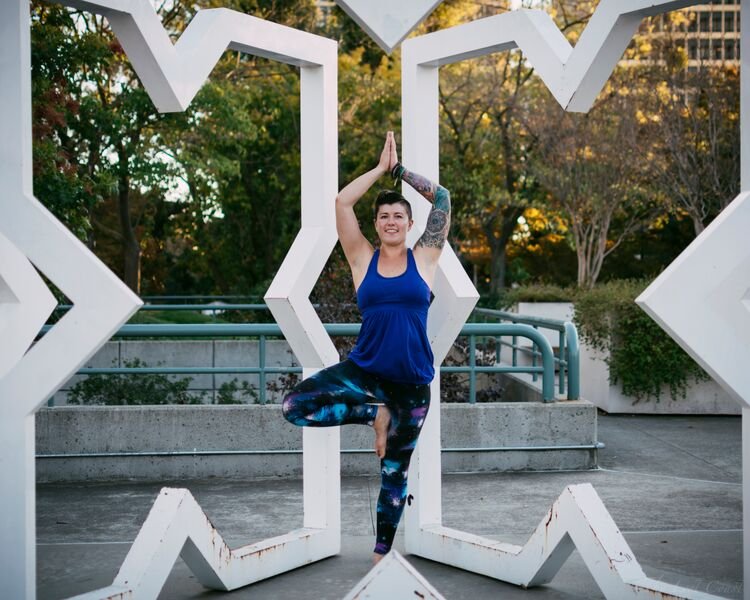
2. Teach simple, straightforward classes. And really notice what’s landing with your students.
One of the biggest challenges for new yoga teachers is class planning. You want your sequence to flow, feel intentional, and work for a range of students, but you also don't want to spend three hours prepping a 60-minute class every single week.
Guess what? You don’t have to do a fancy sequence to give students a great practice!
You don’t need a wild, intricate “mandala vinyasa” or a different peak pose every time.
You can teach a simple class. You’ll be surprised by how much your students love this, too! A straightforward class means you won’t confuse people or leave them feeling like they don’t know enough of the poses to keep up.
Teaching simple, solid, foundational classes in your first year of teaching is an effective way to build your confidence.
Start simple. A solid class structure (grounding, warm-up, peak pose, cool down, savasana) gives you a reliable framework to build from. From there, you can layer in themes, pranayama, or more complex transitions as you get comfortable. Learning to create yoga class sequences that are both accessible and engaging is a skill that develops with practice, so don't put pressure on yourself to reinvent the wheel every time.
Conserve your energy and teach the same class over and over again, until you feel so confident in it that you could teach it without thinking hard at all.
Pro tip: keep a running note on your phone of sequences that worked well. Write them down on paper as a way to memorize the flow. Try teaching the cues out loud in your car while driving. Drill the same class over and over until it’s second nature. You’ll feel confident, and then you can build from there.
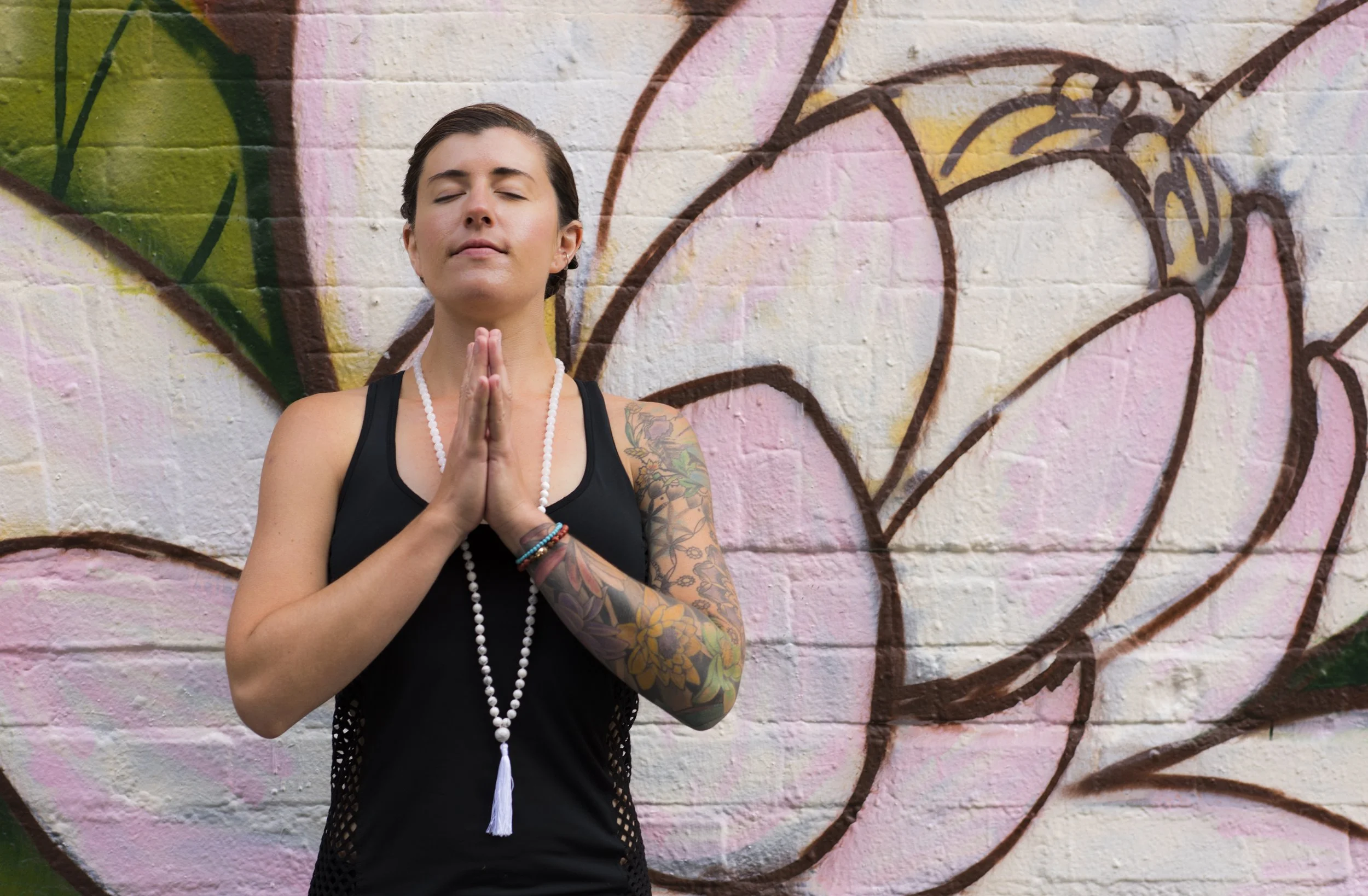
3. Challenge yourself to get comfortable with the business aspects of being a yoga teacher: things like networking, negotiating your pay, and receiving feedback from mentors and bosses.
Most trainings fail to talk about how becoming a yoga teacher also means becoming a small business owner. Early stressors can be things like:
What should I put on a yoga resume?
How should I prepare for teaching auditions?
Is it okay to negotiate my pay?
What if a studio owner drops in on my class to audit me and wants to provide feedback out of the blue? What do I do if that drops my confidence?
How do I file taxes as a yoga teacher?
How do I make money and is it possible to quit my day job and teach full time?
If you want to actually make money as a yoga teacher, understanding the business side is non-negotiable.
This means knowing how to reach out to studio owners professionally, understanding typical yoga teacher pay rates (spoiler: they vary a lot), and getting a basic handle on things like tracking income and setting aside money for taxes. It also means starting to think about how to market yourself as a yoga teacher, whether that's building a simple Instagram presence, creating a website, or just showing up consistently and letting word of mouth do the work.
It can feel awkward at first, especially if you got into yoga because of the healing and spiritual aspects of the practice, and you don’t want to “hustle” your way to success. But think of it this way: the more confidently you handle the business stuff, the more energy you have left for the actual teaching.
Make a list of all the questions and topics you want to become more confident in. Tackle one thing at a time.
Also, see if you can find a mentor or experienced teacher who you can shadow and learn from. Having a real person to voice your concerns to goes a long way in building your confidence as a new yoga teacher.
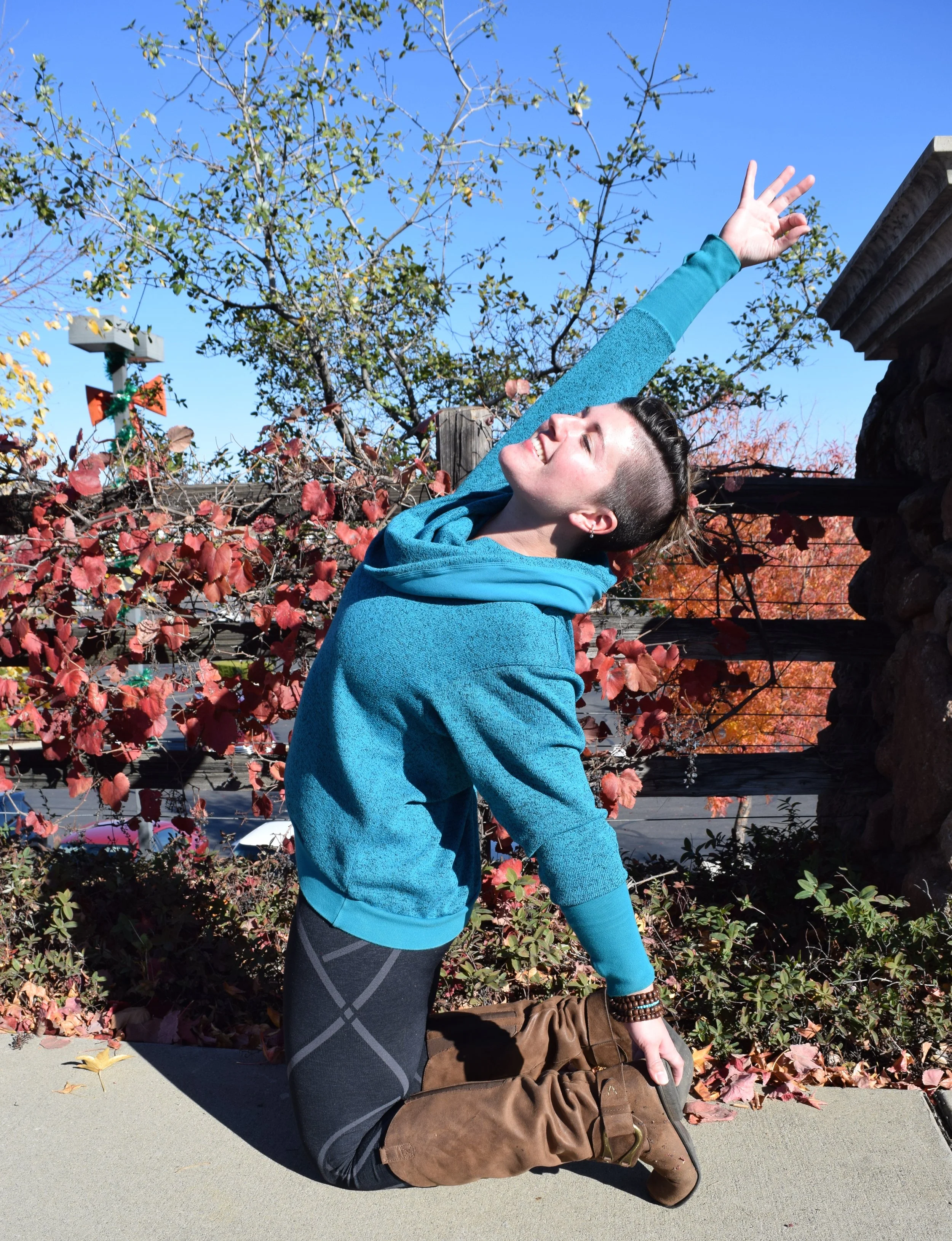
4. Stay open-minded. Expect the unexpected. Be kind to yourself as you navigate weird situations. And say no to things that aren’t right for you.
There are a lot of weird, unexpected things that will happen during classes. Inevitably, you’ll be triggered and thrown off your game at some point. Maybe your Bluetooth speaker dies mid-class. Someone comes in late and sets up right in the middle of the room. Someone falls asleep and starts snoring during savasana. A student tells you at the last minute that they have a knee injury. What do you do?
Handling unexpected situations as a yoga teacher is one of those skills they don't fully cover in training—and honestly there’s no way to prepare for some of these situations. You just gotta roll with it! You’ve got to build trust in yourself and once you’ve handled enough situations on the fly, you’ll see that you have what it takes to do so.
The good news is that your students are far more forgiving than you think, and how you respond to a hiccup matters way more than the hiccup itself.
A few things that help: practice signing students in before you start teaching a new class. Get familiar with the computer system and music/speaker controls for class. Know who you can call or ask for help if there’s a tech issue. Get in the habit of asking students about injuries before class starts, but only if you have a private moment with them. Don’t put them on the spot in front of a group as this can be overwhelming—no one should be forced to share their health issues publicly. Same goes with asking the class to raise their hands “if this is your first time”—let that information stay private, and offer students the chance to share that with you if they want to.
Quick story time:
One of my first classes ever after training was at a rock climbing gym. It was awesome, except one week I had a very unexpected request from a student before class… he came up to me and handed me a handwritten note that had been folded up. Shyly, he stood there as I read it. It said, “Can I touch your belly button?”
I was shocked, embarrassed, and confused all at once. What the hell?! Why would he be asking me about my belly button? What do I do? I was spinning and only had five minutes to get ready to start class! I had a friend who was taking class help me escort him to the front desk, where I then learned that he had some mental challenges and had made requests like this to other instructors before. He didn’t understand how inappropriate this was, and although he meant the request to be harmless, it definitely made me uncomfortable. It threw me off my game!
Thankfully, I was able to quickly find a solution and not worry about it too much. I made others around me aware of the situation instead of trying to navigate it alone. And I stood my ground.
Situations like that have helped me realize that boundaries are important, and you can ask for help. Don’t ever feel like it’s all on you, or you’re alone. If you’re uncertain of how to respond, ask for help.
Remember that a calm, grounded teacher puts students at ease even when things don't go perfectly. Flexibility (both on and off the mat!) is the whole freaking point, right!
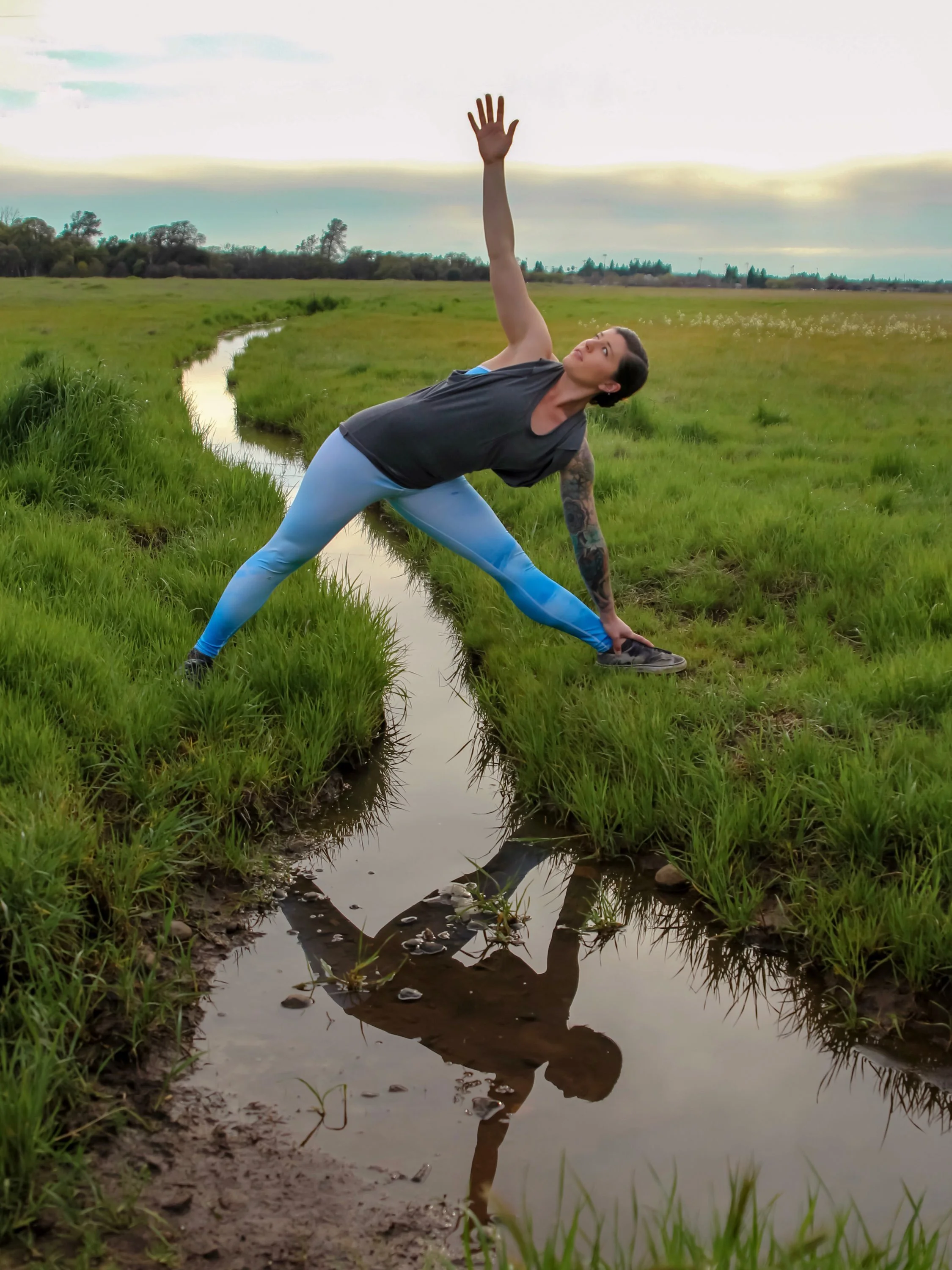
5. For the love of yoga, protect your own practice (and prioritize self-care and restoring your energy after class).
Burnout can quickly sneak up on you as a new yoga teacher. When you're teaching multiple classes a week, prepping sequences, trying to grow your student base, and still maintaining your own practice, it can quickly start to feel like too much.
You’ll know something is off if you can’t stand the idea of staying after your class to take a class from another teacher.
Or you dread driving all over town.
Or you feel angry and resentful of your students.
Or you start teaching the class you want to take, instead of teaching to who’s in the room.
I get all of these things, and I went through it, too.
Sustainable yoga teaching starts with protecting your own well-being first. That means carving out time for your personal practice that isn't about planning a class. Move for yourself. Be with yourself. Explore your own practice.
Balance means setting boundaries around how many classes you take on, especially early on. And it means checking in with yourself regularly: are you still enjoying this? Is this class serving you or are you loathing it week after week?
Why are you doing this? Why are you a yoga teacher? What do you specifically want to offer your community, and are you showing up at your best?
If you feel connected to your why, you’ll feel energized rather than depleted. Notice when you’re over-doing it, or teaching for the wrong reasons, and don’t be afraid to course correct even if that might let someone else down. As they say, you gotta pour from a full cup, not an empty one.
Your energy is your greatest teaching asset. Students feel it when you're lit up by what you do, and they feel it when you're running on empty. Taking care of yourself is an essential part of the job.
Oh, and in case you were wondering about those questions I shared earlier in the post… here’s what I discovered as my own answers (take what resonates and leave anything that doesn’t!):
What should I do if I blank out on a cue in the middle of class?
Get them in child’s pose! This is a trick I discovered in my first year of teaching yoga. If I needed a second to breathe and think about where to go next, I’d transition students into child’s pose for a few breaths. This gave me time to ground myself, relax, and consider what to cue next.
What if someone asks me a question that I don’t know the answer to?
Ask for help! You don’t need to have all the answers (in fact, things are way easier when you give yourself permission to not have all the answers!). Use this student’s question as an opportunity to learn. You can tell them, “You know what, I’m actually not sure the answer to your question. Let me research it and ask some teachers I know and get back to you.” People are understanding and will respect you for being honest.
What if no one shows up?
Take it as a chance to do more self-care. Do your own practice. Feel the energy in the room. Set intentions for what you want to create in your class. But don’t see this as a bad thing. When you’re first building a class, it takes time! Students not being there isn’t a reflection of you. More often than not, students not being there is scheduling related—they slept in, they’re out of town, they had a doctor’s appointment, etc.
Another thing you can do is consider it a “seva” hour. Give back to the studio. Fold blankets and organize props and clean a little bit. Consider this your time to honor the space and show your devotion to the studio and your community. There are more ways to practice than by doing asana.
I personally see any time when there are no students as a gift from the universe to spend an extra hour or so with myself, and to focus on my own self-care and healing and ways I can be of service to my community. This has served me every time.
What if my students are bored?
What if being bored is actually a good thing?!
Over time, I’ve learned to accept that students feeling a little bored (rather than overstimulated or “entertained” during class) is actually my sweet spot. Over time, my teaching style has evolved to favor silence, slowness, and spaciousness during class rather than trying to pack it full of as many poses as possible.
If there’s a moment of quiet with no music, great. If we pause for a few extra breaths before moving to the next thing, awesome. If students feel bored or restless, that’s good! There’s wisdom and healing in those moments when you can really slow down and be with yourself. Let people have their own experience, and don’t feel rushed to fill the time. If your own mind is chattering away, maybe that’s a sign that you need more boredom in your life, too! Boredom creates opportunity for creativity.
Is my sequence good enough? Did I plan too much or not enough?
There’s a balance between preparing and knowing what you want to teach, and being ready to throw your own plan out the window and teach to who’s in the room. I remember one time I planned a whole series of belly-down backbends and ab strengthening… and then at the very last minute, a very pregnant woman showed up for class. It was a beautiful opportunity to pivot and do a different sequence. It’s great to have a plan, but you may also want to have a few back-up plans that you can turn to. Always be willing to go with the flow and trust your instincts. Trust what your students are showing you, too. The class is for them, not you!
More than anything, trust yourself along this journey. Ultimately this is your path and you get to choose where you go next, how much you teach, and what you get out of it. You’ll be learning, growing, and evolving for years to come, and the more you embrace that, the more fun it gets to be!
Much love,
Rachel
More Yoga Blog Posts You’ll Enjoy


In this interview with yoga teacher and poet Catherine Sipher, she shares about how discovering journaling and yoga have helped her heal and support others on their journey of healing.