

My Visit to Loggerhead Marine Life Center, a Sea Turtle Sanctuary
/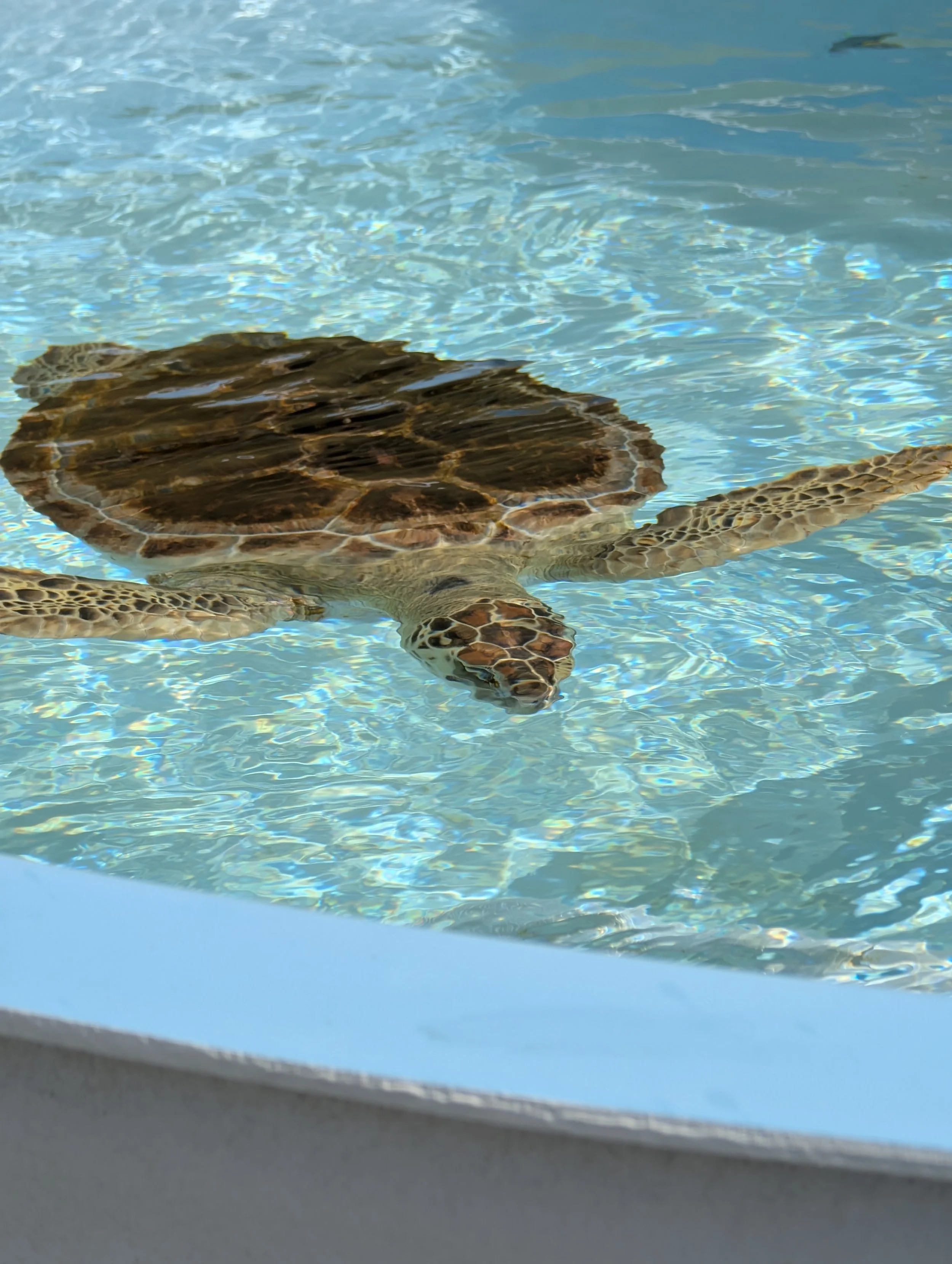
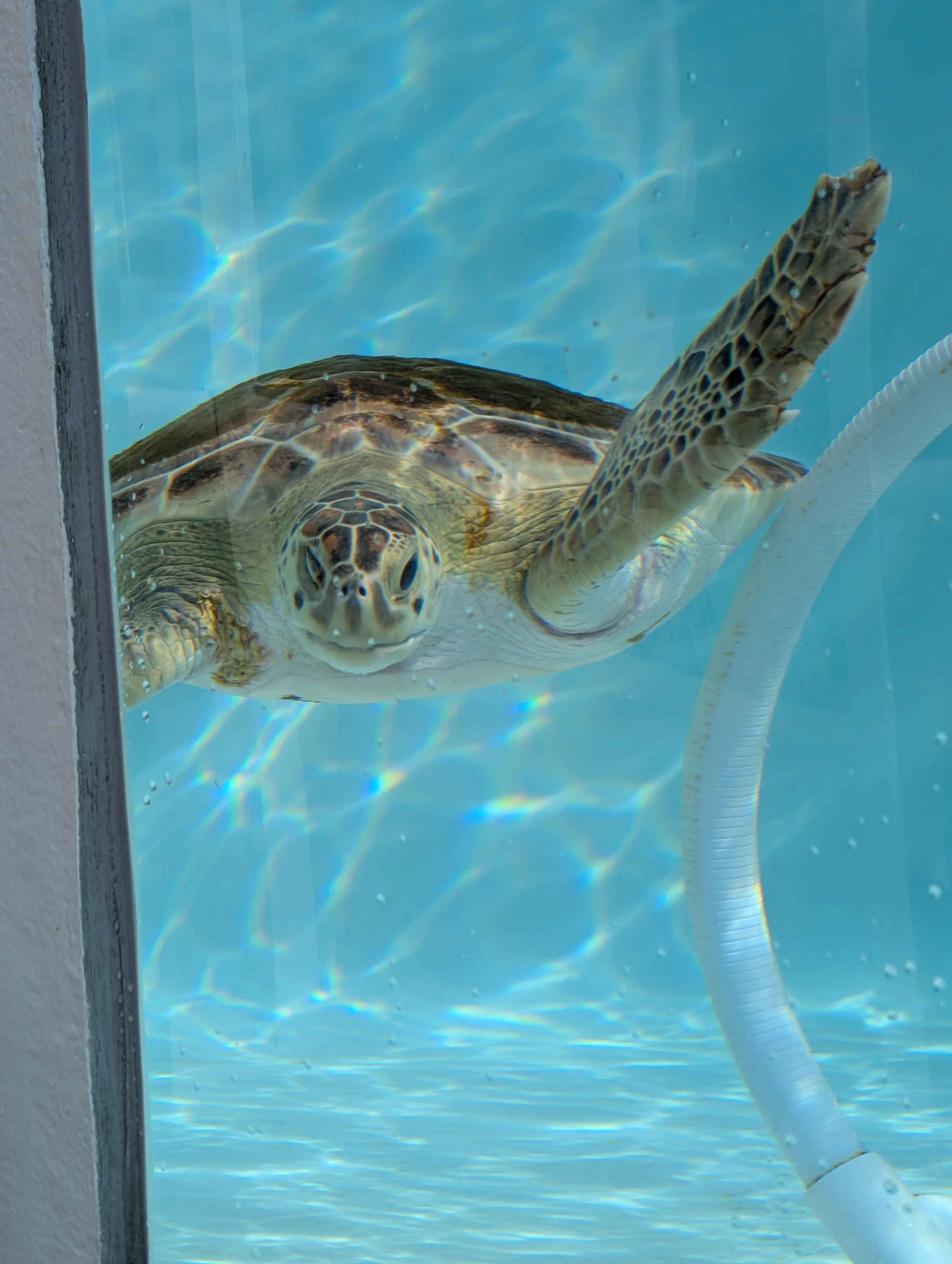
Loggerhead Marine Life Center is a magical place. It is a safe haven for sea turtles being rehabilitated, an incredible center for research and advocacy, and a gem for tourists and locals who care about the environment!
I recently had the joy of visiting for an early morning tour at Loggerhead. It was a big highlight of my trip to West Palm Beach County, Florida.
I quickly fell in love with the beautiful sea turtles and appreciated all of the care and knowledge of the staff on site.

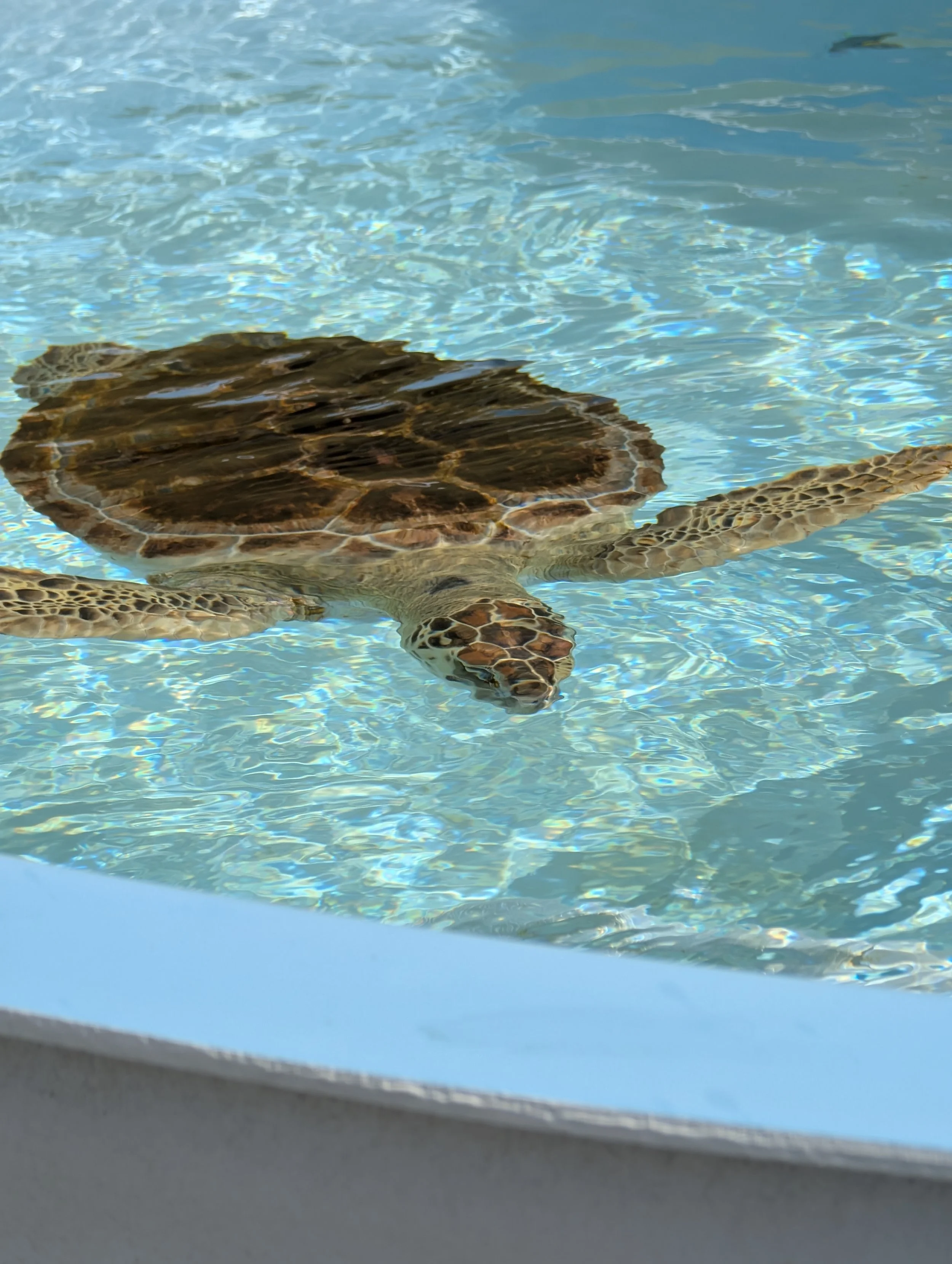
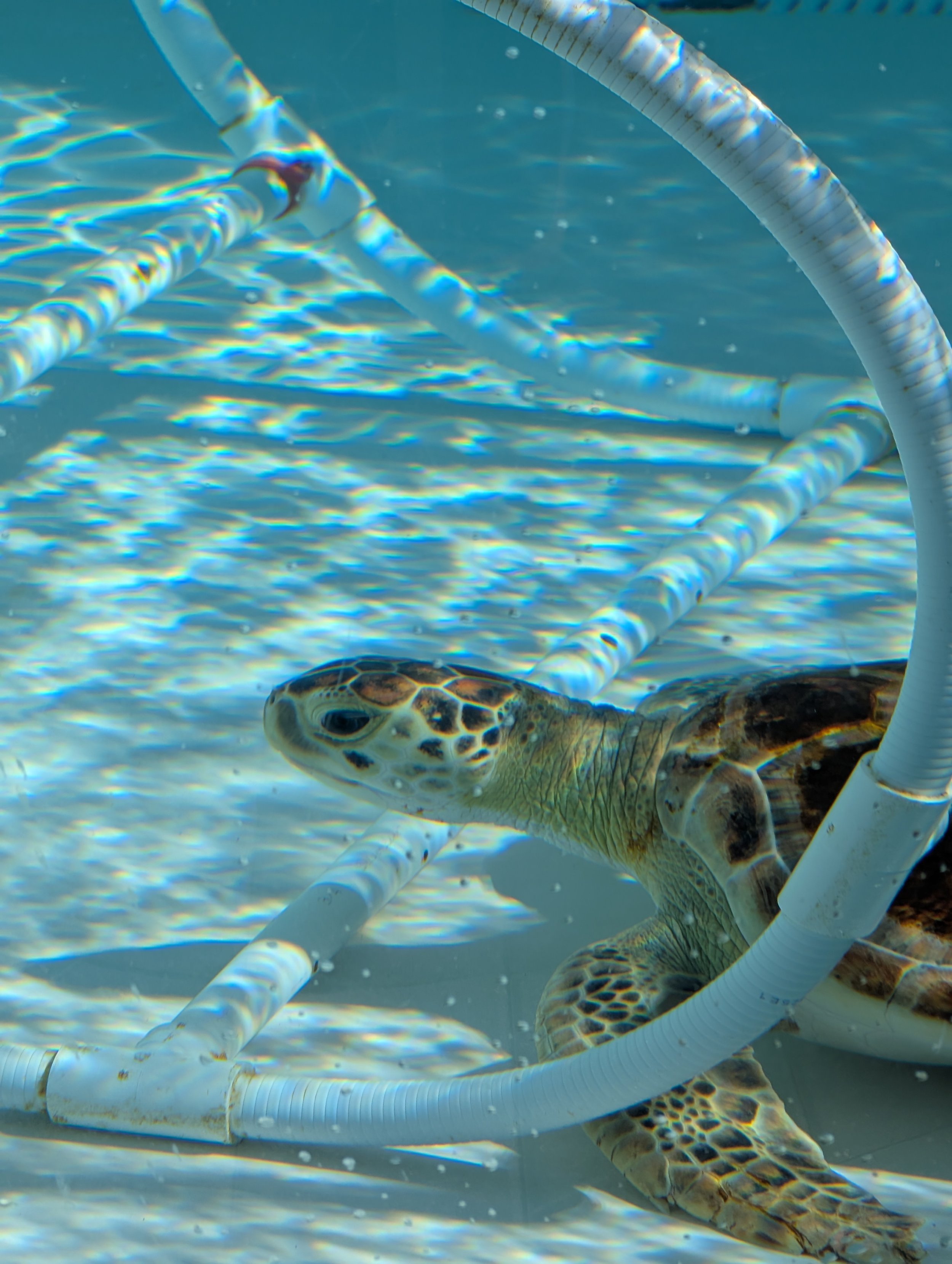
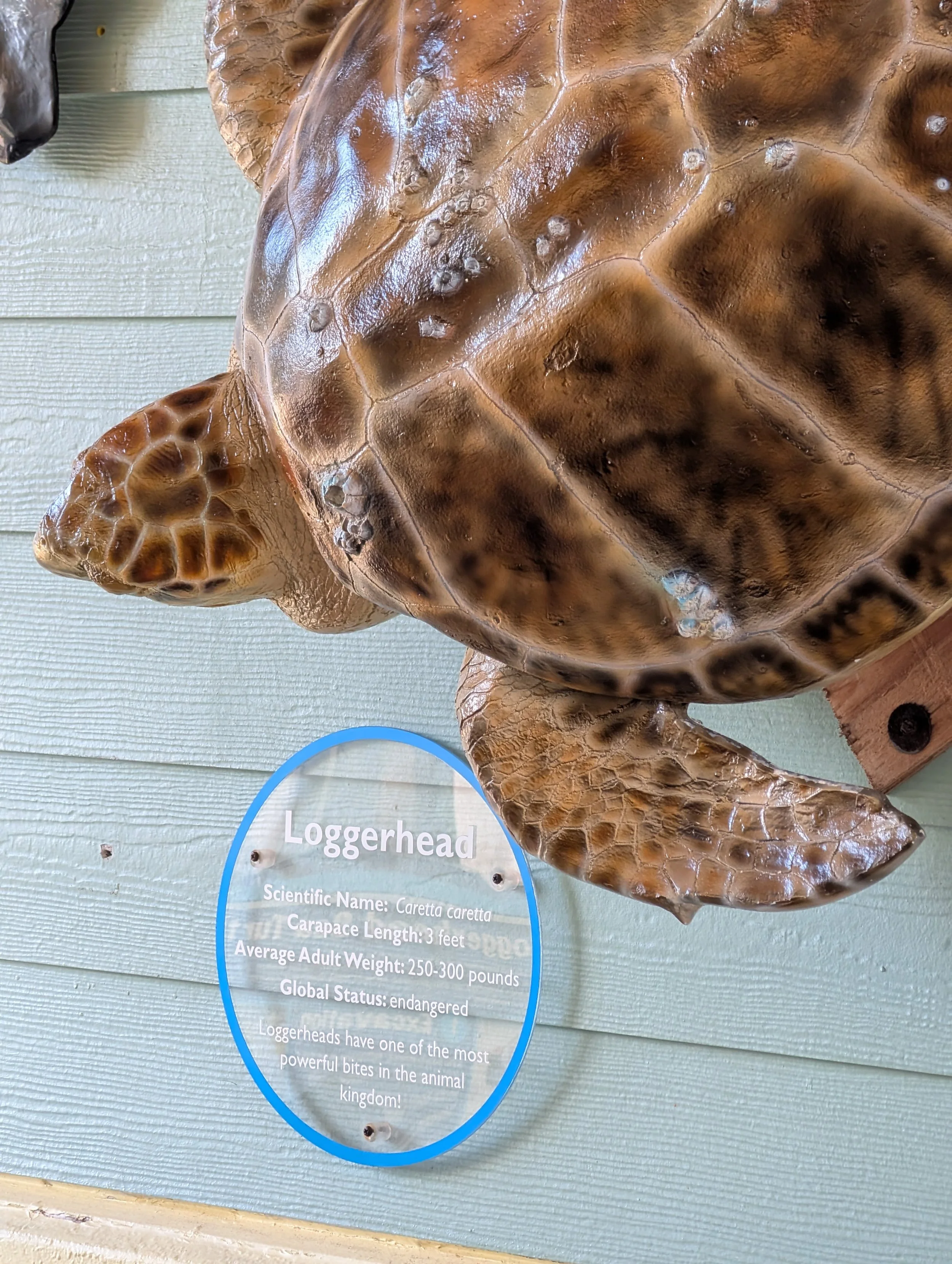
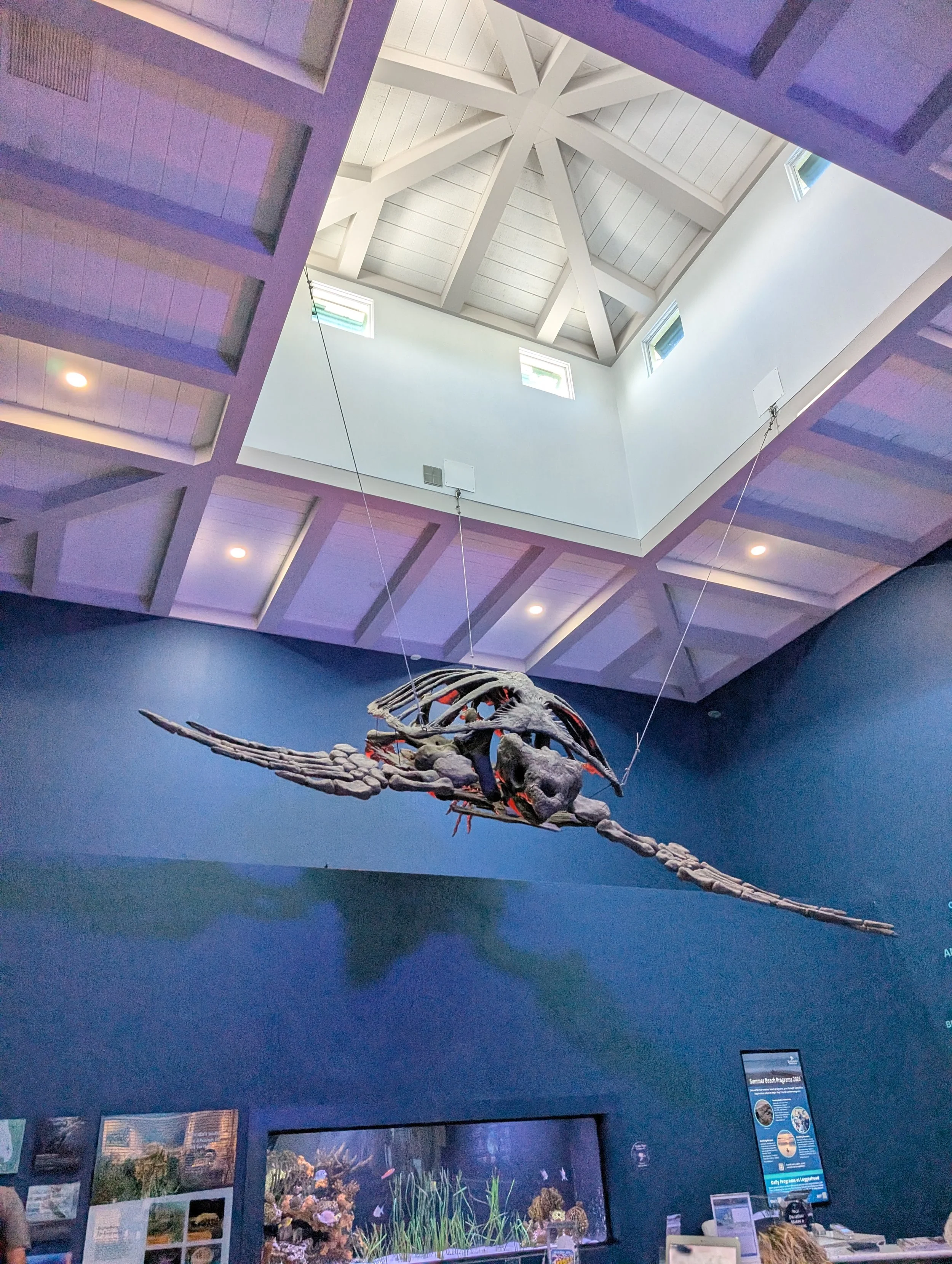
Throughout the tour, we got to learn about what happens on-site at Loggerhead for the sea turtle patients and discover more information about the different species of turtles in the area, including the leatherback, loggerhead, and green sea turtles.
I was shocked to find out that they can weigh up to thousands of pounds!!
I was incredibly impressed by the beautiful patterns on their shells and their unique ways of adapting and surviving in the wild.
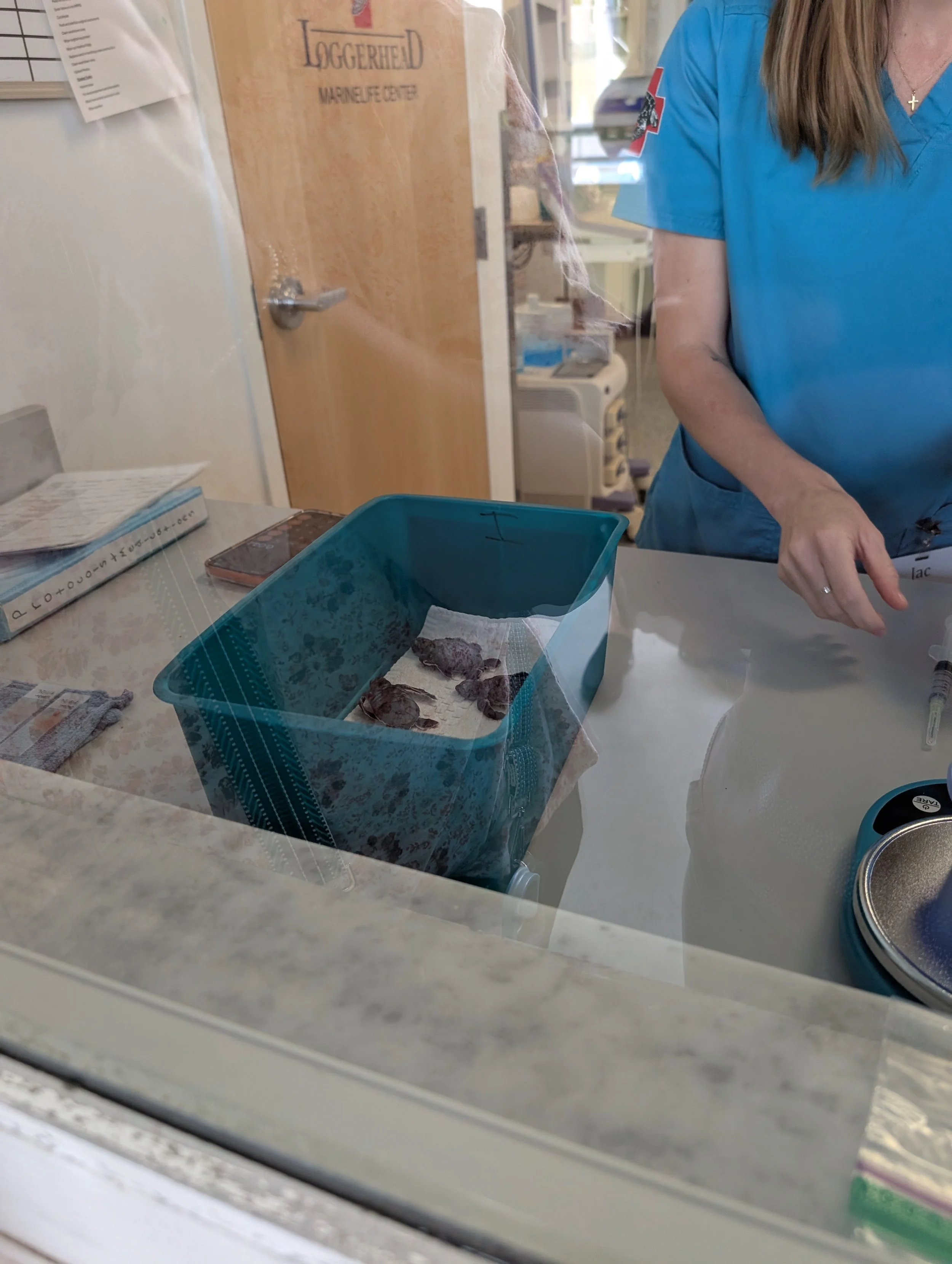
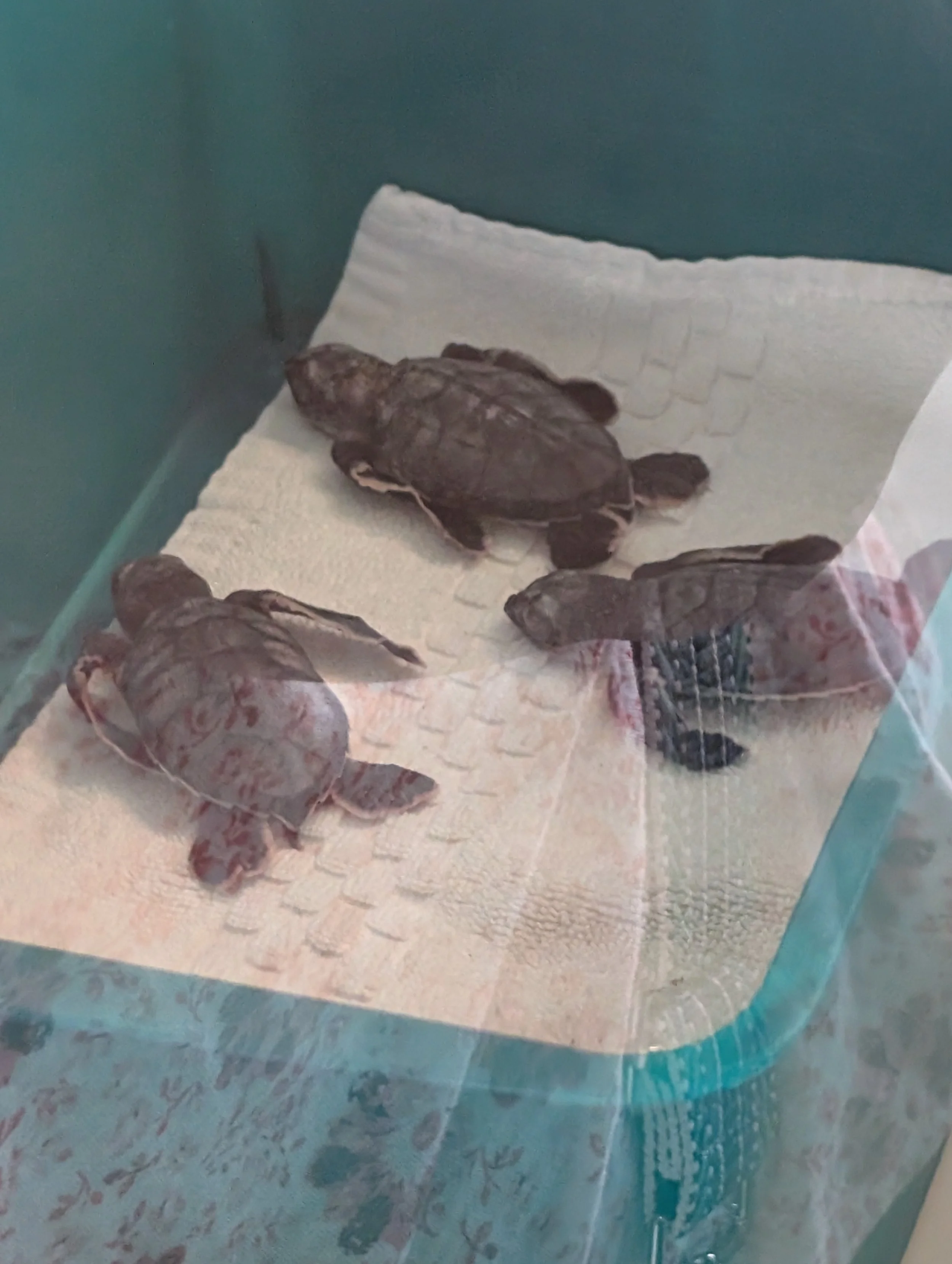
I squealed at the sight of baby hatchlings scooping their way through the water.
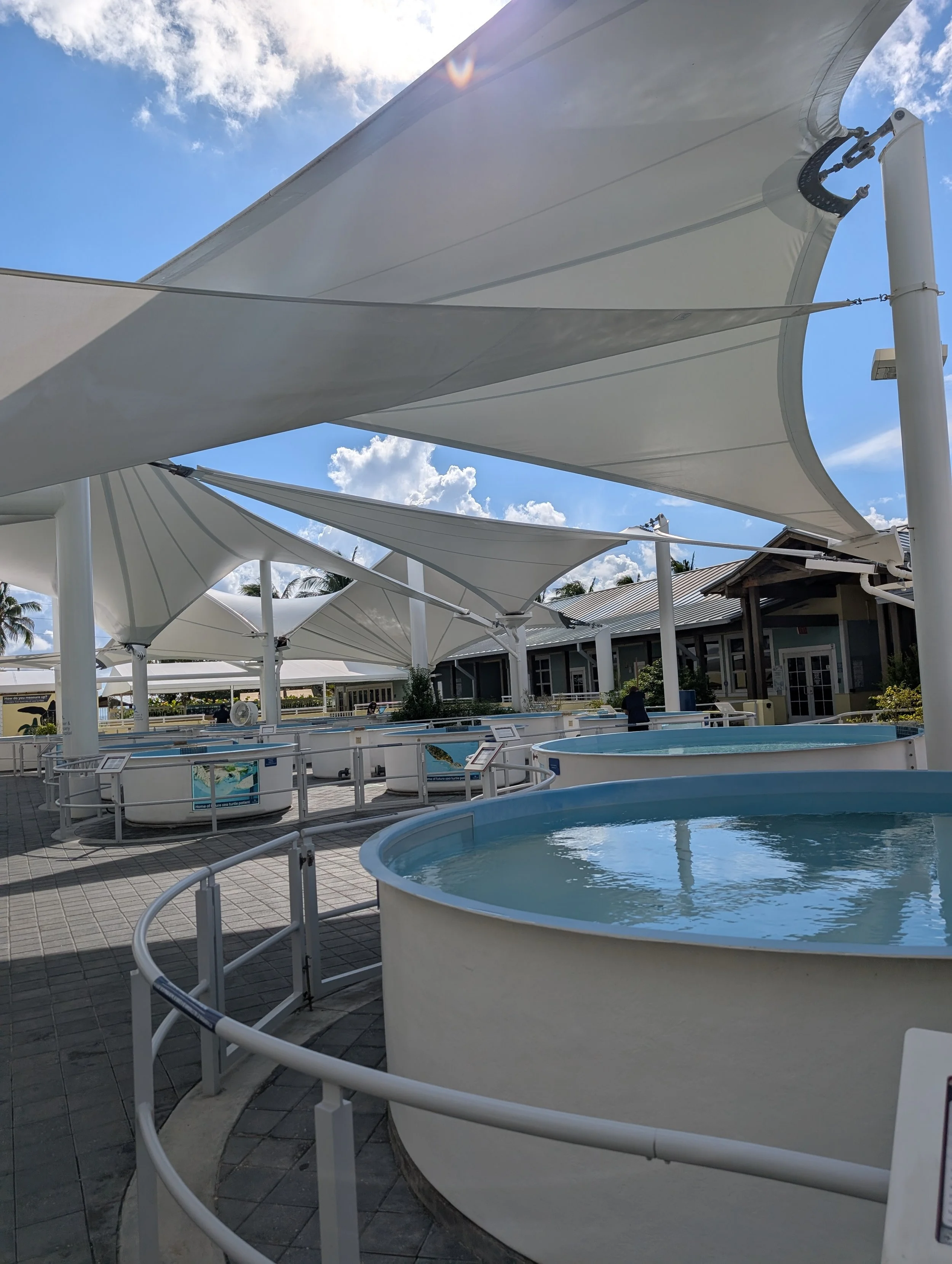
I loved walking around outside, seeing each of their shaded tanks. Some turtles were new, having arrived within days, but some had been there for months, recovering.
And I listened in awe as the guides told us about the turtles recovering from entanglements, illness, lethargy, infection, and other struggles. They are absolutely resilient creatures!
Here’s a few things I learned about, as a friendly PSA to all the turtle lovers out there!
Lights out during nesting season (roughly March–October)
Artificial light is one of the biggest threats to sea turtles. It confuses and disorients nesting females and can send hatchlings crawling toward hotels and streets instead of the ocean. Many South Florida beach towns, including Juno Beach, actually have ordinances banning artificial beach lighting during nesting season. If you’re on the beach at night, do not have your phone out! No flashlights or flash photography near turtles, and if a nighttime program calls for a light, use one with a red filter, which turtles are less sensitive to.
Leave nests and hatchlings alone
Let the mamas and babies do their thing, and be mindful of nests when you’re walking on the beach.
Fill in holes and knock down sandcastles
Practice leave no trace! Sand holes and abandoned structures can trap or block both nesting females and hatchlings on their crawl to the sea. Clearing furniture, tents, and toys off the beach at night is one of the simplest things beach visitors can do to protect these magnificent creatures.
Skip single-use plastics and pack out trash
Turtles often mistake floating plastic bags for jellyfish, one of their main food sources, and monofilament fishing line and hooks cause serious injuries. It is an absolute no-brainer but can’t be said enough: pick up your trash!!!
If you find a turtle that needs help
If you find a sick, injured, or entangled turtle, or a nest that seems disturbed, don't touch or try to move it yourself. Instead, contact Florida Fish and Wildlife's Wildlife Assistance Line at 888-404-3922, and trained responders will take it from there.
I highly recommend Loggerhead Marine Life Center and already can’t wait to visit again. You can visit their website to meet the sea turtle patients, learn more about their work, and, of course, donate to the amazing cause.
A huge thank you to the wonderful staff there for such a fun and informative tour, and a huge shoutout to everyone doing conservation work to support our oceans and the creatures in them.





My life was not the same after visiting the beautiful Loggerhead sea turtle sanctuary in Florida.