
The Now
/
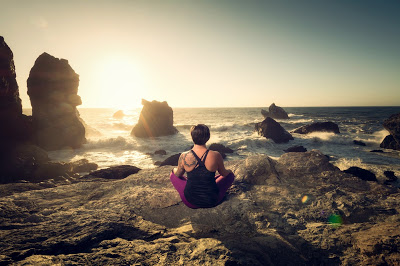
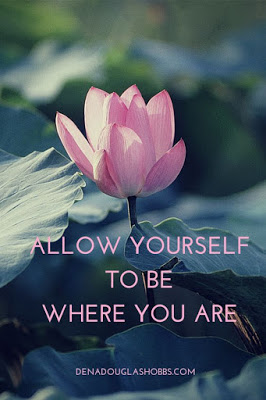
Breathe into what is. Breathe into the reality of this moment.
Ground yourself.
Allow yourself to let go of the rest.
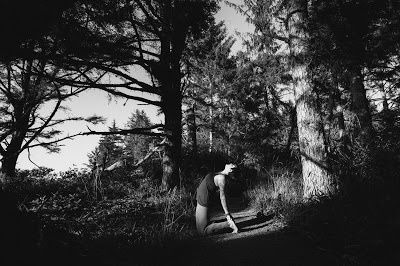
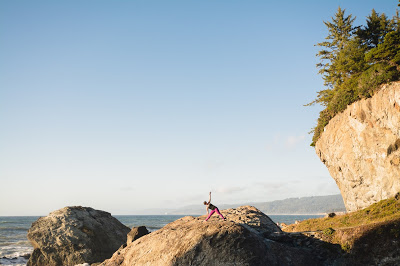
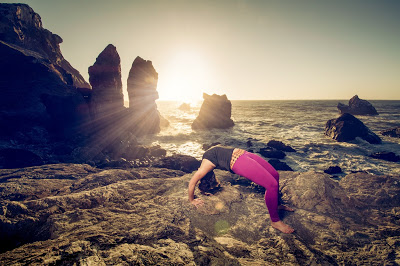
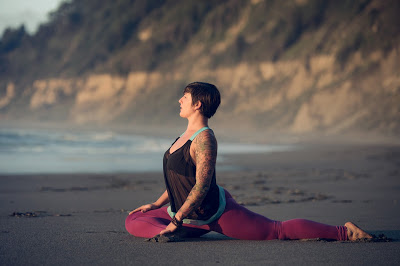
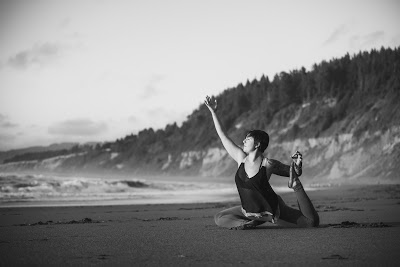
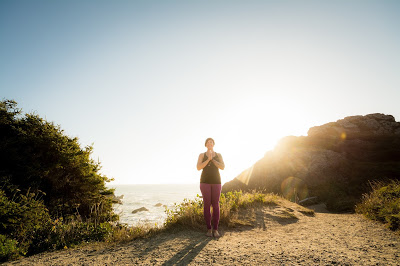
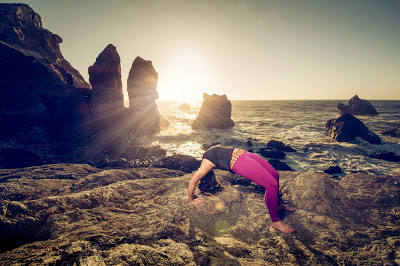
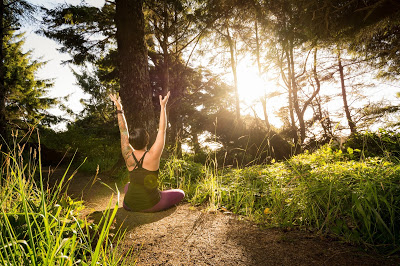
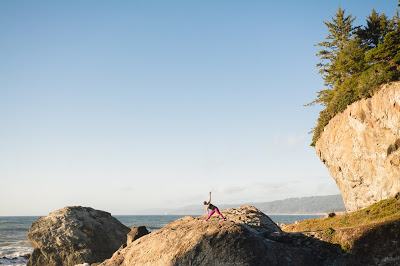
Camel pose photo by Ken Johnson of CKCImage.com. PS: More on camel pose.



You keep your heart above your head and your eyes wide open
So this world can't find a way to leave you cold
And know you're not the only ship out on the ocean
Save your strength for things that you can change
Forgive the ones you can't
You gotta let it go


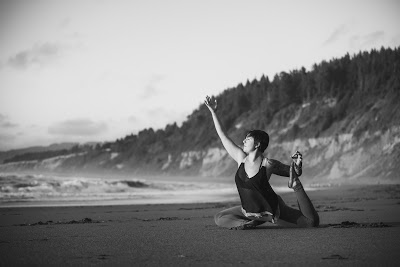
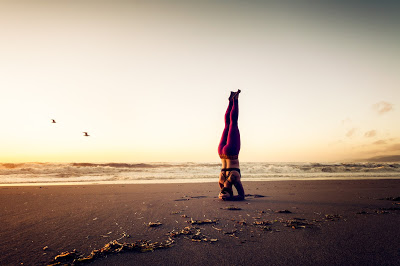
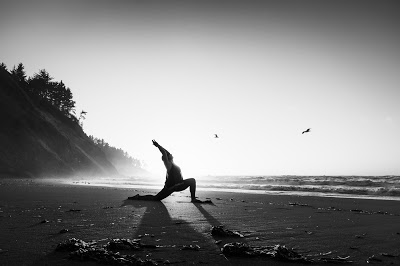
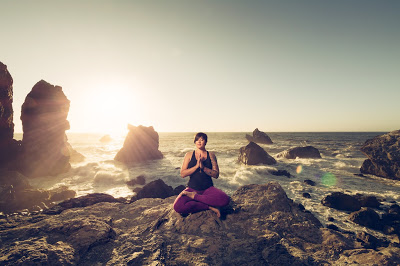

What helps you stay mindful throughout your day?
I was recently asked to answer this question. What practices do I use to fight stress and boost productivity? My favorites are
yoga, breathwork and writing.

Meditation, yoga, writing and breathing practices help me stay mindful.
On stressful days, I try to give myself permission to
sit with what is
, whether I'm tired or emotional or overwhelmed. I like to sit down or sometimes take 'legs up the wall' pose and just spend a few minutes noticing my body.
Where do I feel tense? How am I breathing? What is the energy in my body like in this moment?
Rolling out my yoga mat and moving for 15-20 minutes allows me to release stagnant energy. Some days, I'll stay with one pose for an extended period of time. One minute in headstand, or two minutes in Pigeon on each side -- that can make a huge difference in how my day is going!
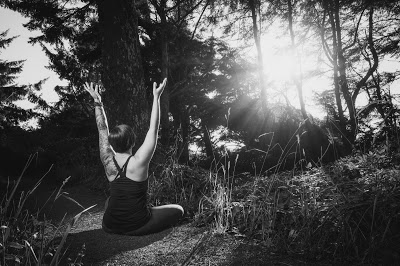
I also love to write in my journal. I think it's important to write from a place of authenticity. If I'm having a rough day, I might not write a gratitude list. I might write about why I'm upset, why I feel stuck, or what I'm fearful of. On happy days, a gratitude list or a blog post or a long post on Instagram might be more fitting. The important thing is to start with how I'm truly doing, instead of trying to pretend I'm in a different space.
Breathing is so important too. Lately I've been all about
Nadi Shodhana
, alternate nostril breathing. I feel so relaxed after just a few minutes of this Pranayama technique. I'm grateful that there are so many methods for staying mindful and for releasing stress, since different days I need different tools.
This post was inspired by a Q&A article I participated in. You can read the full article featuring other amazing yoga teachers and their ideas
.
Photos in this post by Ken Johnson of
.
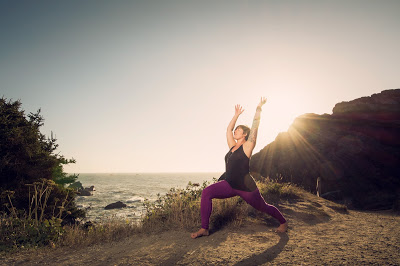
Yogis, I'm sure you've been there before: you're at your favorite studio, five minutes into class, and you realize... "Sh*t. These yoga pants suck!"
Or maybe you're new to yoga and trying to decide where to shop.
Well, let me help you out a little bit
:)
What makes a pair of yoga pants awesome?
To me, finding a wonderful pair of leggings to wear to yoga is about three things:
1. Comfort.
I like my yoga pants to fit snugly, but not so snug that they're uncomfortable. Yoga pants should be comfy enough that I can wear them for half the day, or more.
2. Performance.
Do the yoga pants move around too much while I'm practicing, or do they stay put? Do I feel hot when I wear them, or is the material breathable, so if I start to sweat I don't feel stuffy or overheated? Consider how well your yoga wear will perform as you practice, especially if there's heat involved.
3. Fun design.
Let's be honest-- the new trends in yoga wear offer a variety of fun, creative print designs. Long gone are the days of boring yoga pants!
My new favorite yoga pants?
Ginger Orange
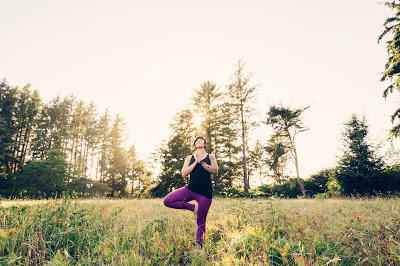
. I've been wearing my awesome
purple leggings
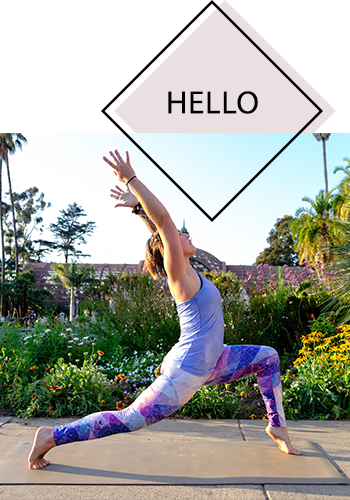
a lot lately and I've noticed that they are super comfortable and they stay put when I practice. Plus, they're gorgeous!
On the Ginger Orange website it says that their brand offers "activewear for rebel yogis, urban nomads and barefoot hippies." Now that's an awesome approach for yoga pants, if you ask me!
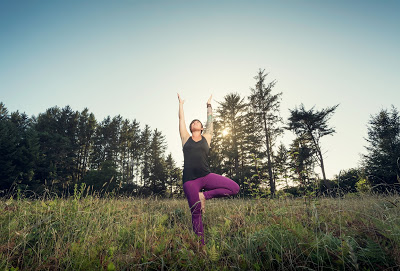
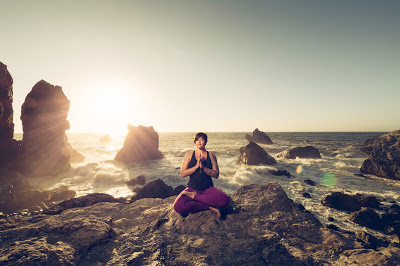
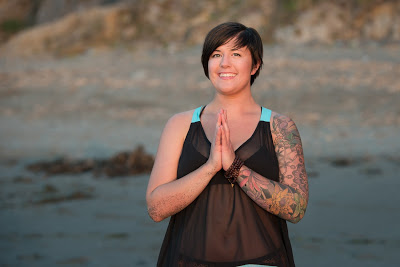
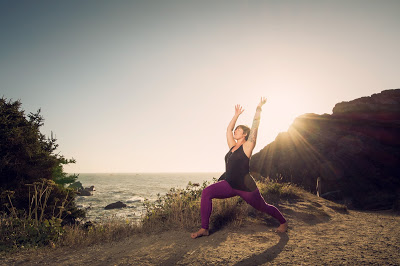
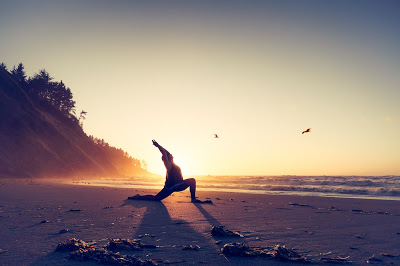
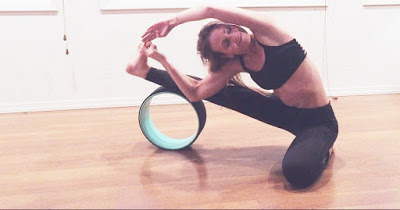
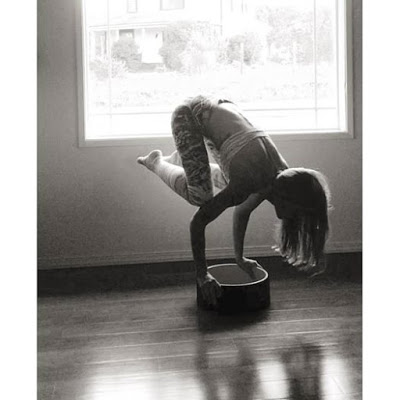
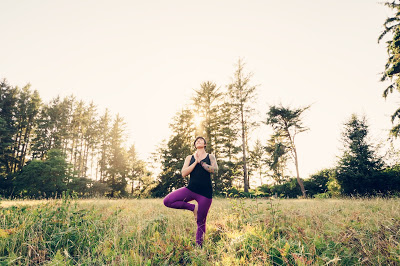
Photos in this post by Ken Johnson of CKCImage.com, featuring
classic royal purple Ginger Orange leggings

Finding the perfect pair of yoga pants can feel like searching for the holy grail of activewear. They need to be comfortable, functional, and stylish—all while keeping up with your most dynamic moves. With countless options on the market, how do you choose the right pair for your practice?
Whether you're flowing through vinyasas, holding a warrior pose, or lounging post-practice, here’s a guide on what to look for in a pair of yoga pants.
Comfort is non-negotiable when it comes to yoga pants. Since yoga often involves bending, stretching, and holding poses, your pants should move with you without causing irritation or restriction.
Soft, Breathable Fabric: Look for materials like cotton blends, bamboo, or high-quality synthetics that feel soft against your skin and allow airflow.
Seam Placement: Flatlock seams prevent chafing and ensure that the pants feel smooth against your skin.
Stretchability: Opt for fabrics with four-way stretch, which allow for maximum movement in all directions.
The fit of yoga pants plays a significant role in both your confidence and your performance. The right pair should hug your body without feeling too tight or too loose.
High-Waisted: Provides tummy control, stays in place during movements, and offers a sleek silhouette.
Mid-Waisted: A versatile option for those who prefer less coverage without risking slippage.
Compression Fit: Great for high-intensity or power yoga, as they provide added support and muscle recovery.
Relaxed Fit: Ideal for slower practices like yin or restorative yoga, offering more room for ease of movement.
The fabric of your yoga pants determines how they perform, especially during sweaty sessions or challenging poses.
Moisture-Wicking: Keeps sweat away from your skin, ensuring you stay dry and comfortable during intense practices like hot yoga.
Breathability: Lightweight and breathable fabrics prevent overheating.
Durability: High-quality fabrics maintain their shape and color, even after multiple washes and stretches.
Nylon-Polyester Blends: Known for their stretch, durability, and quick-drying properties.
Cotton Blends: Soft and breathable but may lack moisture-wicking abilities.
Eco-Friendly Options: Bamboo and recycled materials are excellent choices for sustainability-minded yogis.
Yoga pants come in various lengths and styles, each suited to different preferences and types of yoga.
Full-Length (Leggings): Great for cooler weather or providing full coverage during inversions.
7/8 Length: Hits just above the ankle, offering a modern and versatile look.
Capri-Length: Perfect for warmer climates or more dynamic practices.
Shorts: Ideal for hot yoga or when you want maximum breathability.
Minimalistic Designs: Solid colors or subtle patterns work well for a classic, versatile look.
Bold Prints and Patterns: Express your personality and add a playful vibe to your practice.
Pockets: Functional for carrying essentials like your phone or keys (especially if you’re wearing them outside the studio).
A good waistband can make or break your yoga pants. It’s essential that the waistband stays in place, especially during inversions or flows.
Elastic Waistbands: Lightweight but may dig in or roll down during movement.
Wide Waistbands: Provide a secure, flattering fit and prevent rolling or slipping.
Drawstring Waistbands: Allow for adjustability, though they may not be as sleek.
No one wants to worry about see-through yoga pants during downward dog! Ensuring your pants are squat-proof is a must for confidence during practice.
Bright Lighting Test: Stand in bright light or natural sunlight and bend over to check for visibility.
Fabric Thickness: Thicker, higher-quality fabrics tend to be more opaque.
Double-Lined Material: Some yoga pants include an extra layer in key areas for added coverage.
Yoga pants are an investment, so you’ll want a pair that lasts through countless sessions and washes.
Reinforced Seams: Ensure the pants won’t unravel or lose shape.
Pilling Resistance: Choose fabrics that resist pilling, especially if you use a mat with a textured surface.
Shape Retention: High-quality materials should snap back into shape after stretching.
Pro Tip: Read reviews to see how the pants hold up over time, particularly in high-use areas like the knees and waistband.
For eco-conscious yogis, choosing sustainable yoga pants aligns with the practice of ahimsa (non-harming). Many brands now offer options made from eco-friendly materials and ethical labor practices.
Recycled Polyester: Made from post-consumer waste like plastic bottles.
Organic Cotton: Produced without harmful chemicals or pesticides.
Bamboo: A renewable resource that’s soft, breathable, and biodegradable.
Pro Tip: Look for certifications like GOTS (Global Organic Textile Standard) or Fair Trade labels to ensure ethical production.
The best yoga pants transition seamlessly from the studio to your everyday life. Look for styles that pair well with casual tops or sweaters so you can go from class to errands with ease.
Neutral colors like black, navy, or gray.
Pockets for convenience.
Stylish patterns or details that elevate their look.
While premium yoga pants often come with a higher price tag, they’re usually worth the investment for their durability and performance. That said, there are affordable options that deliver great quality if you’re on a budget.
Look for sales, discounts, or end-of-season deals from trusted brands.
Consider multipurpose leggings that work for yoga, running, and lounging.
Test affordable options but pay attention to transparency, durability, and fit.
While personal preference plays a big role, here are a few brands known for high-quality yoga pants:
Lululemon: Famous for durability and sleek designs.
Athleta: Offers inclusive sizing and eco-friendly options.
Alo Yoga: Combines performance with high-fashion aesthetics.
Girlfriend Collective: Sustainable and stylish, made from recycled materials.
Old Navy Active: Affordable options with great performance.
Pro Tip: Read customer reviews to find the best pair for your body type and practice.
Choosing the right pair of yoga pants comes down to your unique needs, preferences, and practice. Prioritize comfort, functionality, and durability, and don’t forget to test them in real-life movements before committing. The perfect pair will not only enhance your yoga practice but also make you feel confident and at ease, whether you’re on the mat or off.
Happy practicing—and happy pant hunting! 🧘♀️✨
Here’s how to recognize when your nervous system is activated—and simple ways to bring yourself back to balance. Read to the end for a special PDF download you can keep close, especially during stressful weeks!
Sometimes a book project takes an unexpected turn—you're 85% done and realize something's missing, or a negative review shakes your confidence. As a ghostwriter and writing coach specializing in memoir and trauma storytelling, I've seen how sacred pivots can transform your author journey. The difference between setbacks and breakthroughs? Your mindset and support system. Learn how to navigate creative blocks and publishing challenges with resilience.
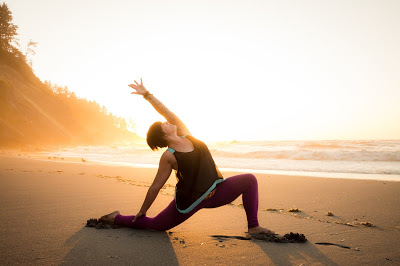
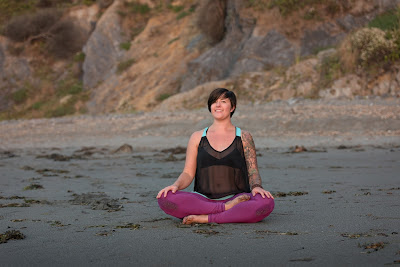
Happy Monday, yogis! I hope you had a restful and fun weekend.
I'm curious: do you practice pranayama (breathing techniques) at your yoga studio, or at home?
It's interesting to me how the culture of every yoga studio varies, and it seems like these days you can find both traditional classes which feature ancient, yogic breathing practices, and you can also find studios where you'll only hear about Ujjayi breath while in class.
Recently I've been incorporating
nadi shodhana, or alternate nostril breathing,
into my daily routine. I find that it relaxes my entire body, calms my mind, and helps me feel balanced.
Would you like to try it?
Find a comfortable seated position, and close your eyes. (Note, if this is your first time trying a pranayama technique, please see my note below.*)
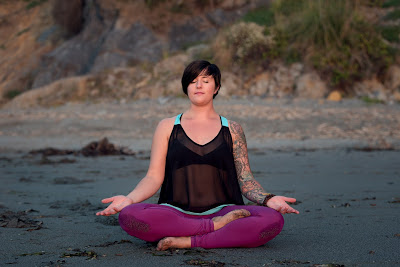
Take a few moments to ground yourself. Allow your thoughts to settle.
Notice your body, any sensation, any area that draws your attention.
Then, notice your breath.
Where in your body do you feel your breath?
Let your awareness settle on the breath alone. You can begin counting your inhales and exhales. Inhale to a count of four; exhale to a count of four.
After a few rounds like this, we'll begin nadi shodhana, alternate nostril breathing.
Bring your right hand just in front of your face.
Bend your index and middle fingers, creating a sort of "y" shape with your hand. During this breath technique, you'll use your thumb to cover your right nostril, and your ring finger to cover your left nostril.
Close your right nostril with your right thumb. Inhale through the left nostril slowly and steadily, filling up your lungs.
Close your left nostril with your ring finger so both nostrils are closed; retain your breath at the top for a brief moment. Then, open your right nostril and release the breath through the right side, exhaling fully.
Inhale slowly through the right side, filling up again. At the top of the breath, hold both nostrils closed and pause for a moment.
Then open your left nostril and breathe slowly out through the left side. Pause briefly at the bottom.
Repeat for two to five minutes (or longer). Work up to longer periods of practicing this breath.
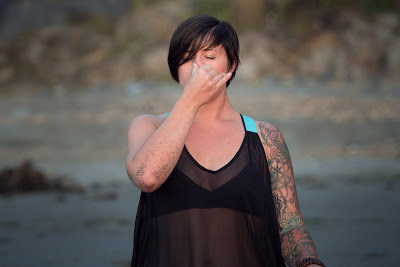
Here's a simplified explanation, in case that above description got a little confusing or wordy for you ;)
Exhale fully.
Cover your right nostril as you inhale on the left.
Pause at the top of the breath and close both nostrils.
Cover your left nostril as you exhale on the right.
(Keep your fingers as is as you) inhale on the right.
Pause at the top of the breath and close both nostrils.
Open your left nostril and exhale on the left.
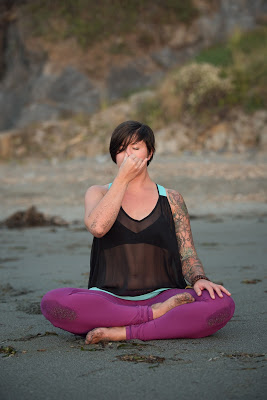
Or, even more simply:
Inhale left, exhale right.
Inhale right, exhale left.
Once you get the hang of this breath technique, it's very relaxing.
Nadi Shodhana is a powerful yogic practice. This breath will allow you to:
support your lung and respiratory system, balance the left and right hemispheres of your brain, clear your body's energetic channels, rejuvenate your nervous system and release stress.
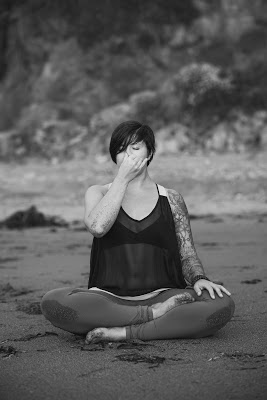
*An important note
: one of my favorite yoga teachers once explained to me that pranayama is a serious part of the yoga practice. It's important to establish a foundational yoga practice before you begin working on pranayama. Please practice with a teacher who is knowledgeable and can show you exactly how the breath technique works and who you can ask questions.
Nadi Shodhana is a basic pranayama practice, so it would probably be OK for you to try it simply based on reading this post, but if you're getting into any other more complex breath practices, or any pranayama that involves holding (retaining) the breath, please do so with an experienced teacher in the room with you. As with anything in yoga, if any of these breath practices cause you any sort of anxiety, please skip them and go back to your normal breath in and out through the nose.
Namaste.
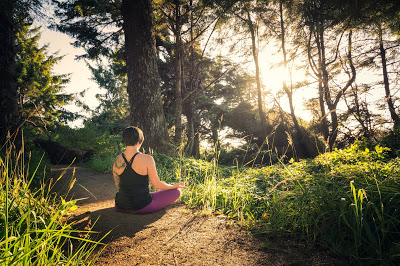
All images in this post by Ken Johnson of
. Leggings by
.



Alive in the Fire is a blog inspired by practicing yoga mindfully, teaching from the heart, giving hugs, and living a badass life.
Alive in the Fire is a blog inspired by practicing yoga mindfully, teaching from the heart, giving hugs, and living a badass life.

work with me

Sponsored Yogis
Donations help keep the programs and yoga classes at Alive in the Fire available to those in need. Your generosity is greatly appreciated!

Copyright 2017. All rights reserved - Alive in the Fire. Design by Hello Big Idea.


Memoir ghostwriting is about transforming your life in the process of writing a beautifully-crafted book. Here’s why my clients often say the healing becomes the most valuable part.